Las Lijas (2020)
Mexico
220m2
The Las Lijas project represents an architectural proposal that seeks to harmonize design, functionality, and sustainability, adapting to various natural environments such as forests, semi-deserts, and tropical climates.Conceived as a model of modular and removable architecture, this project addresses the need to minimize environmental impact without sacrificing the quality of life of its users.
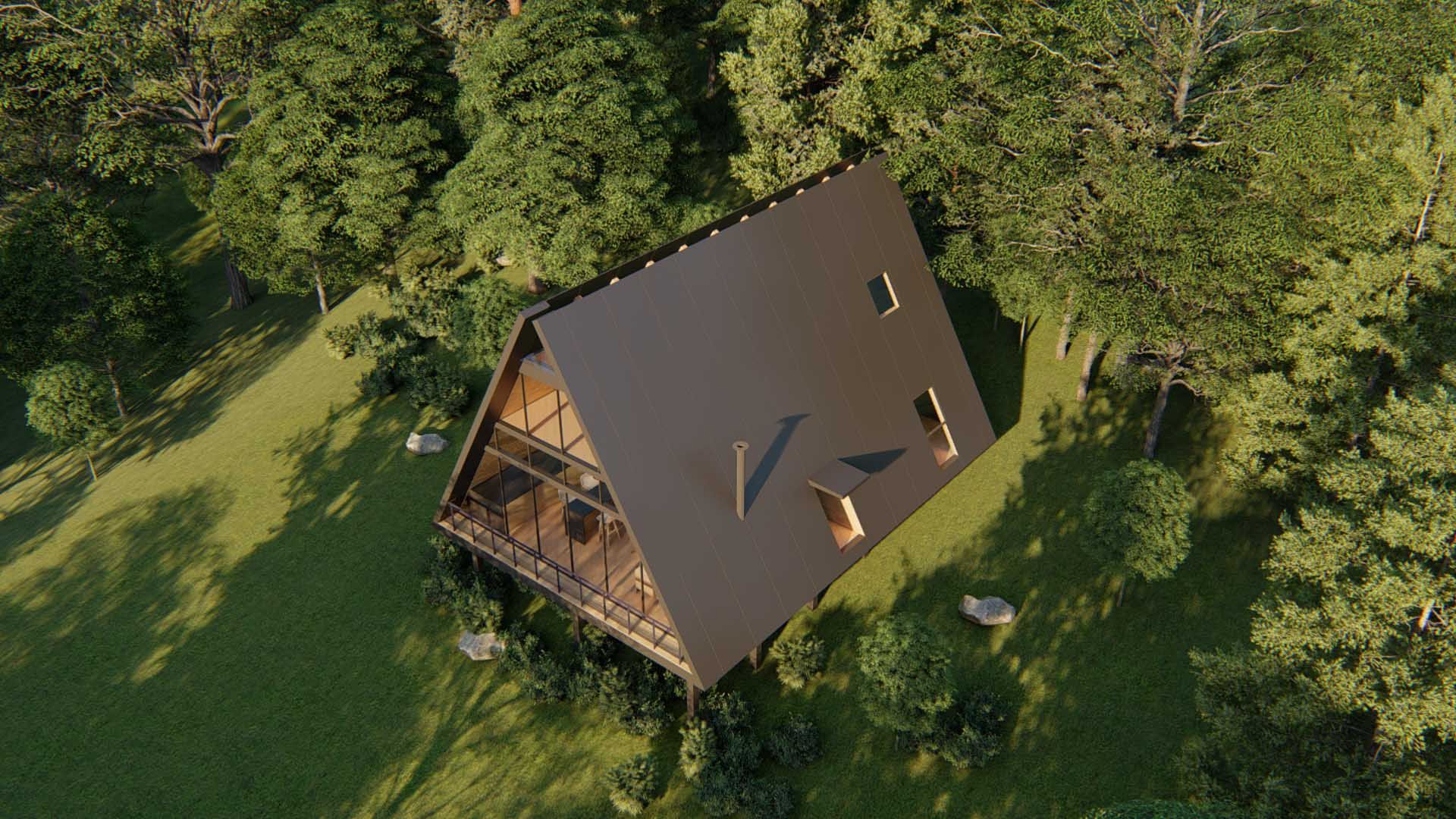
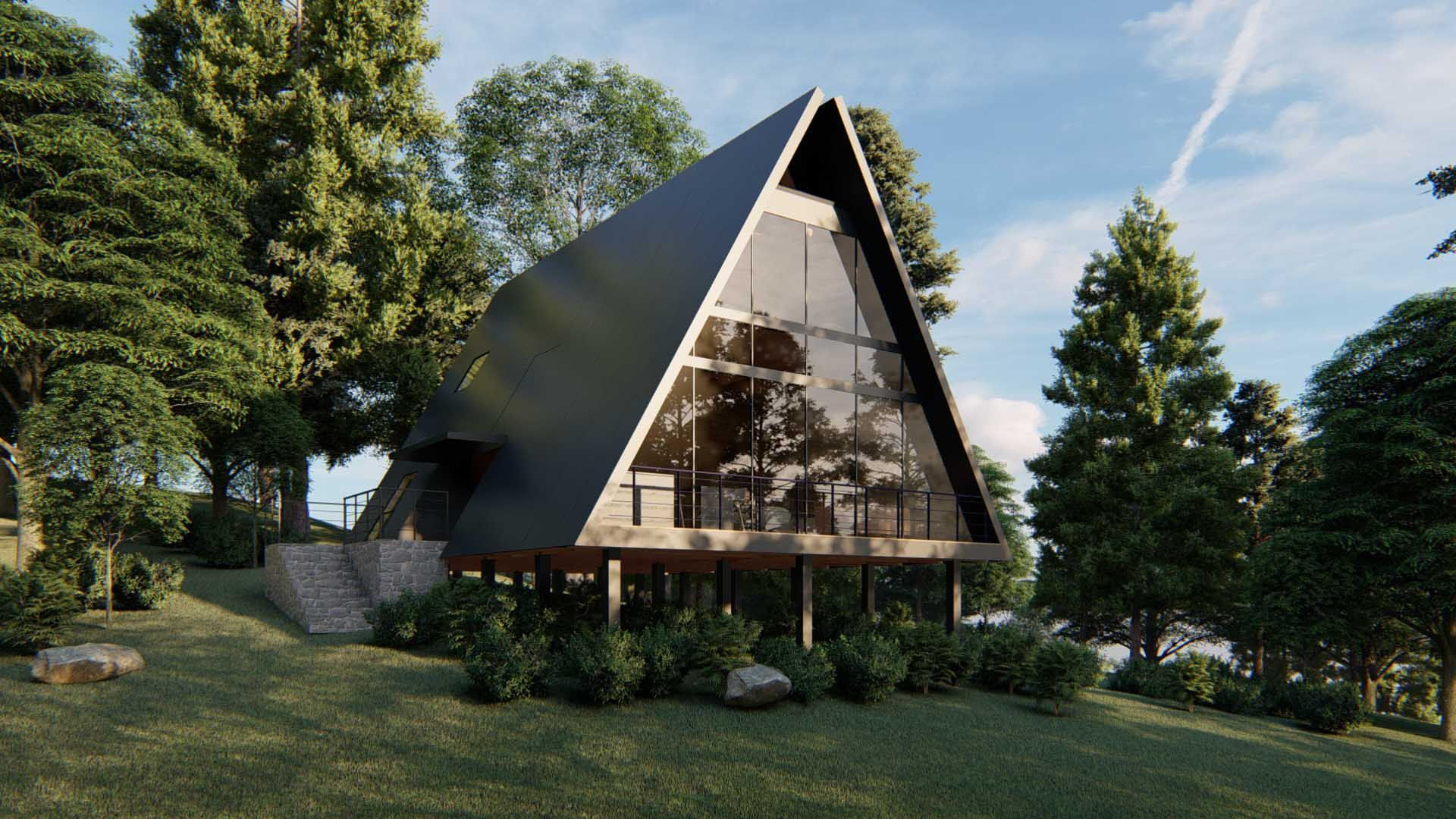
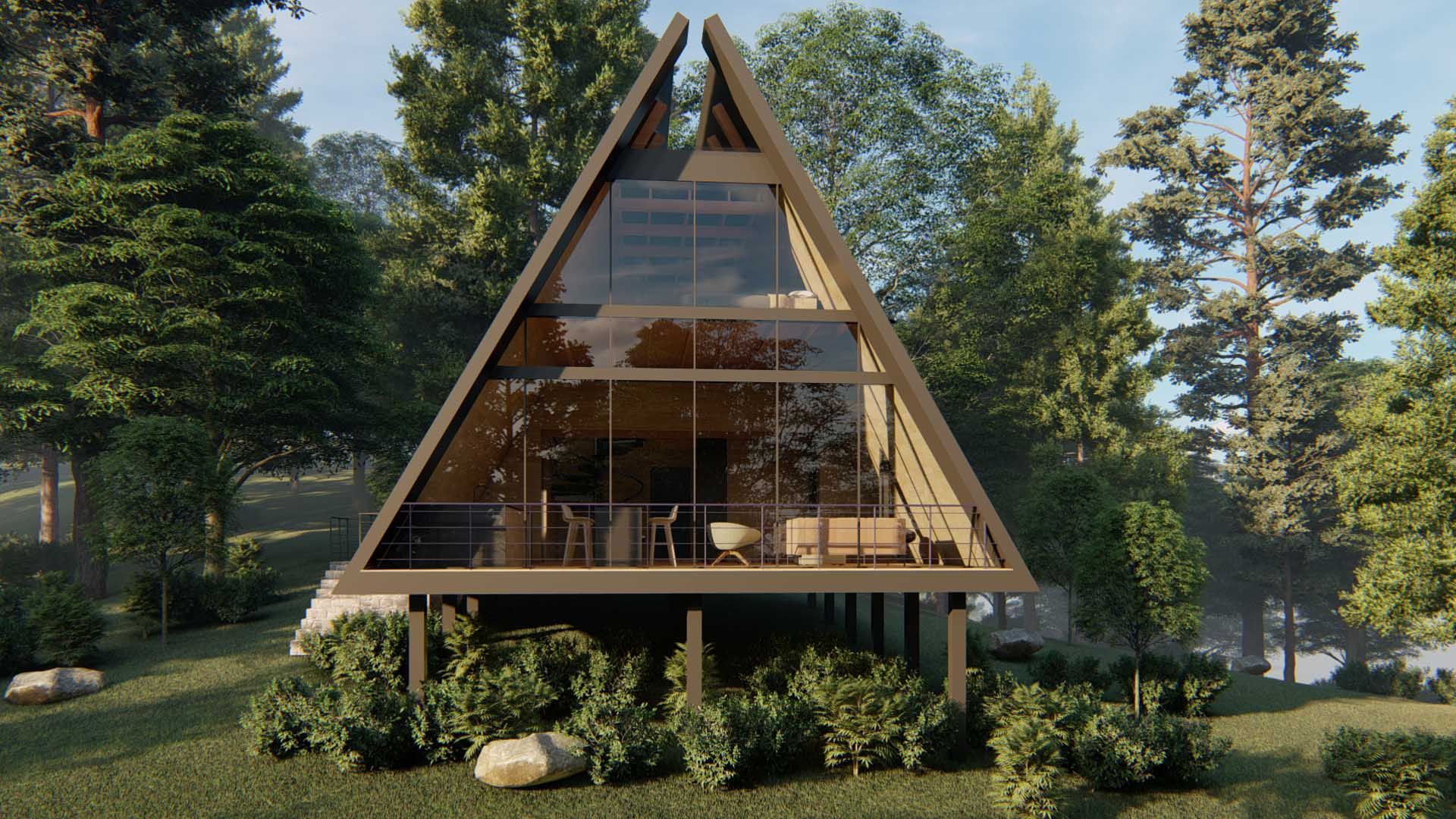
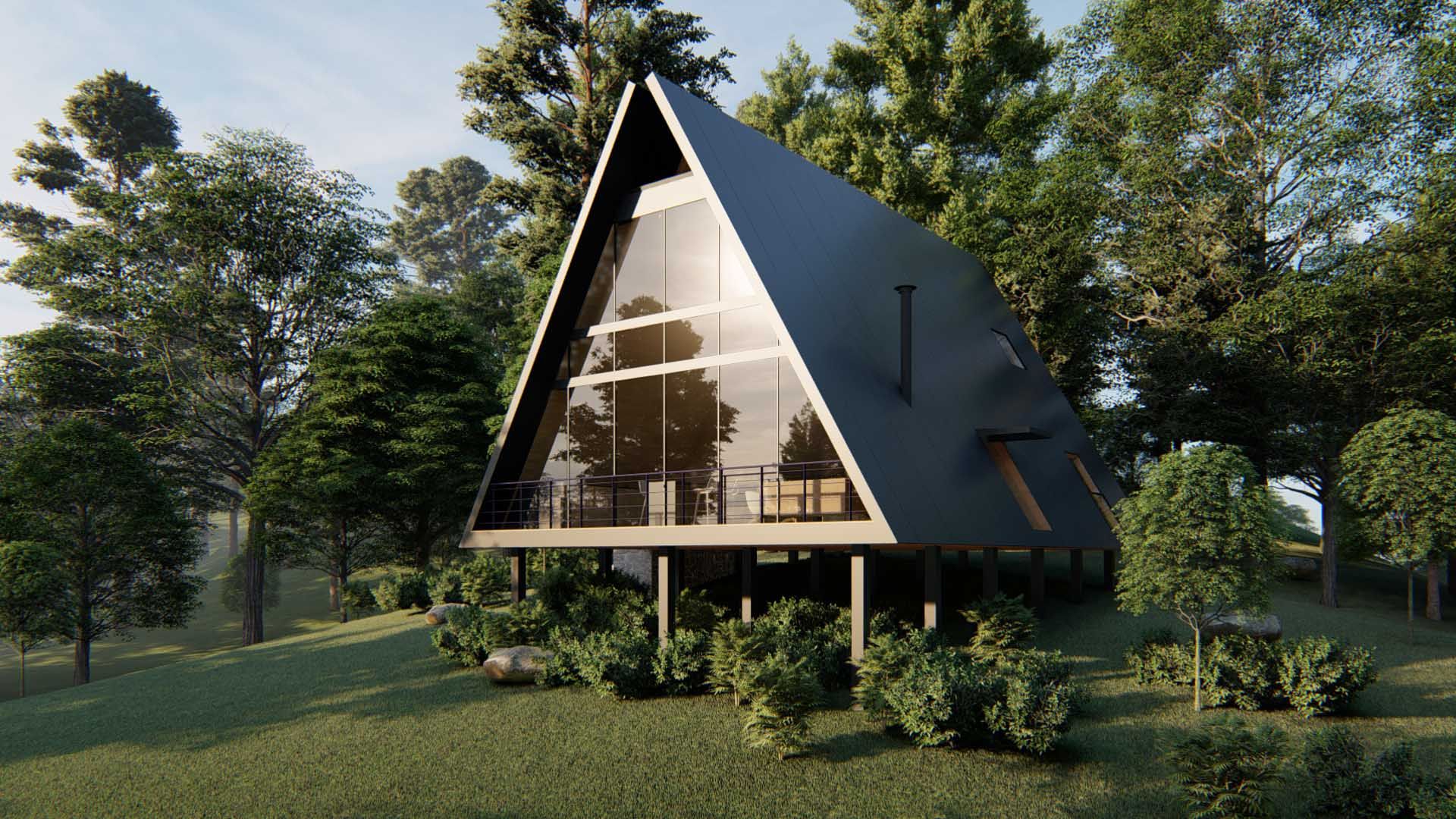
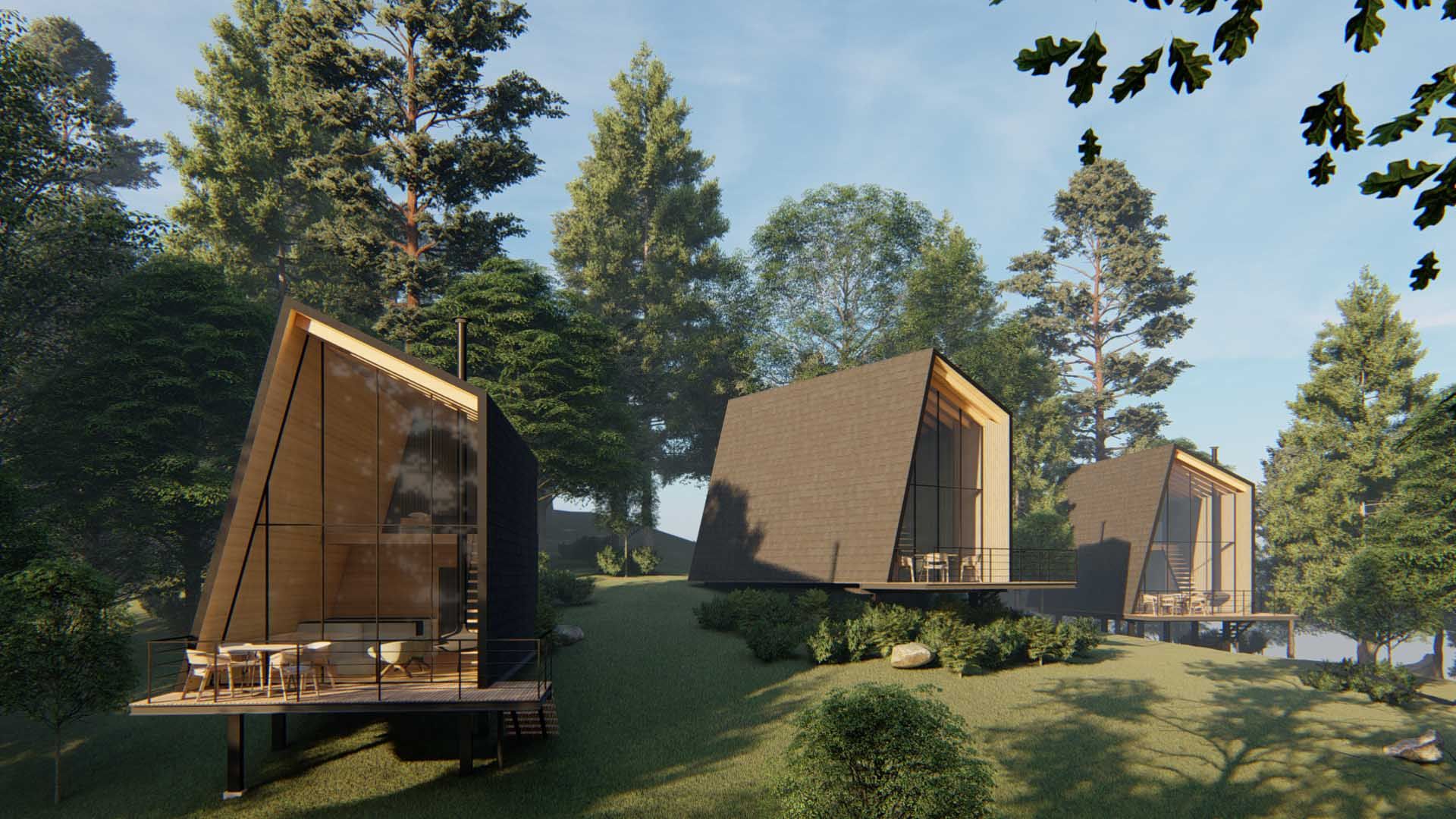
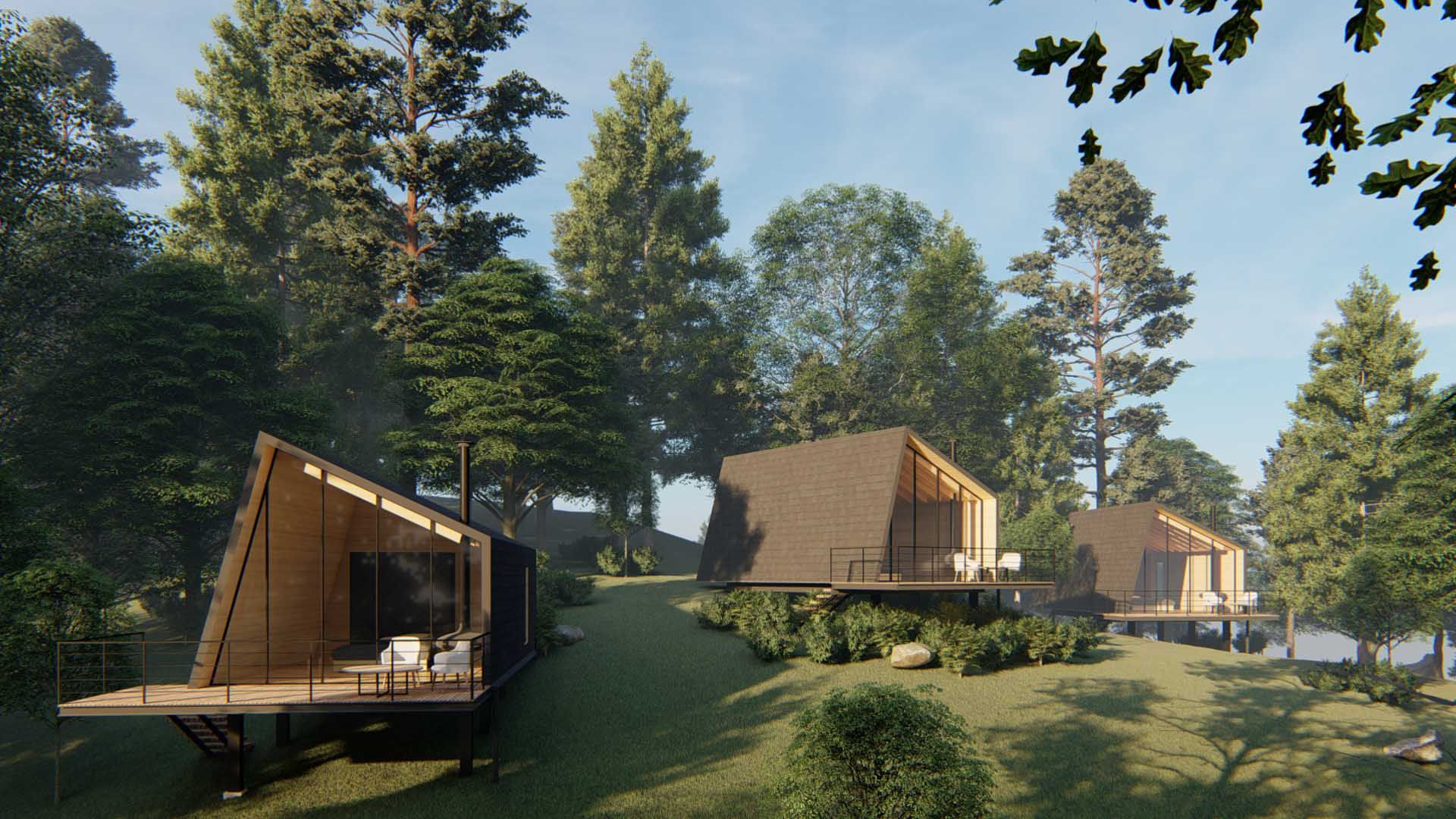
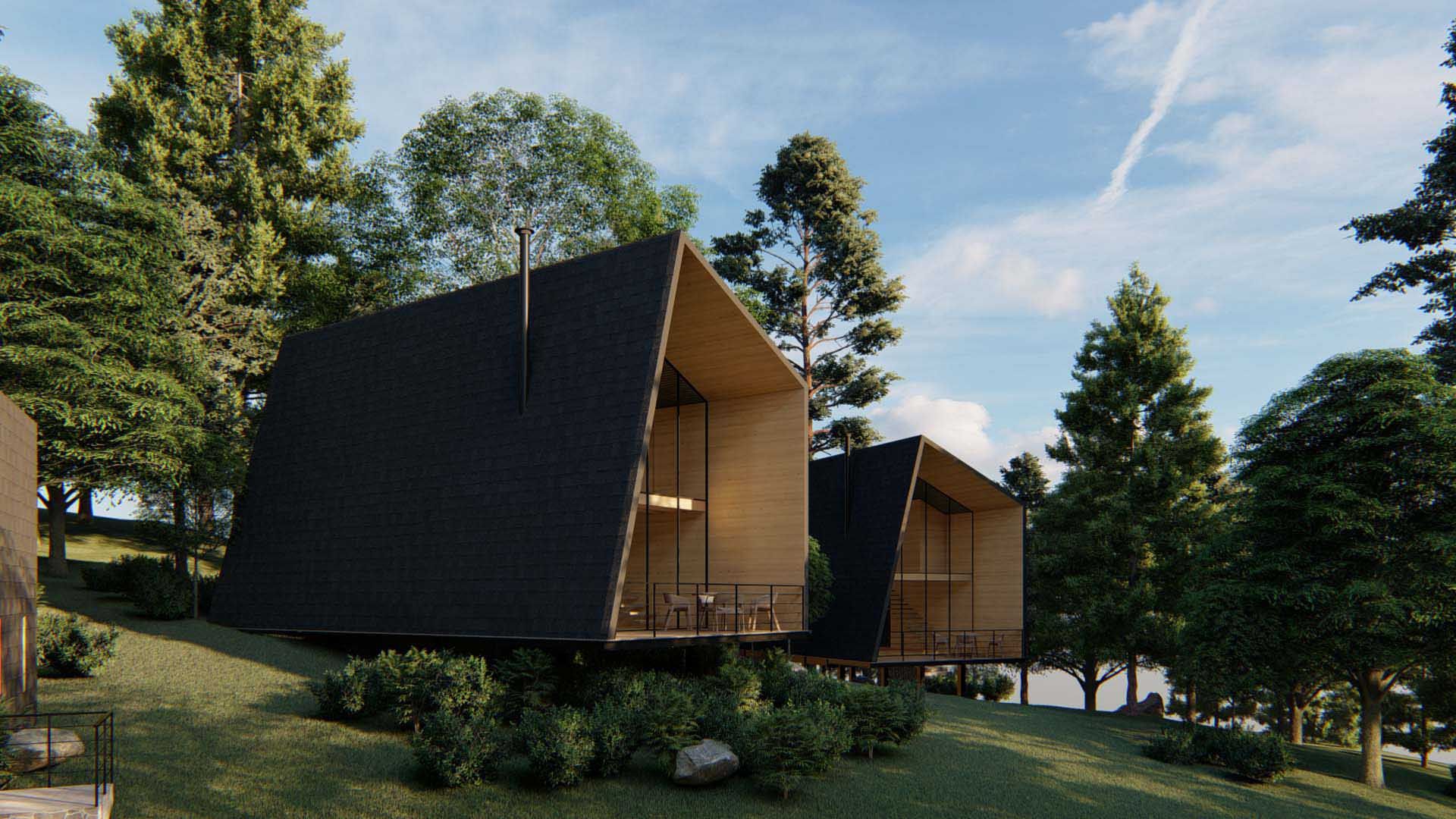
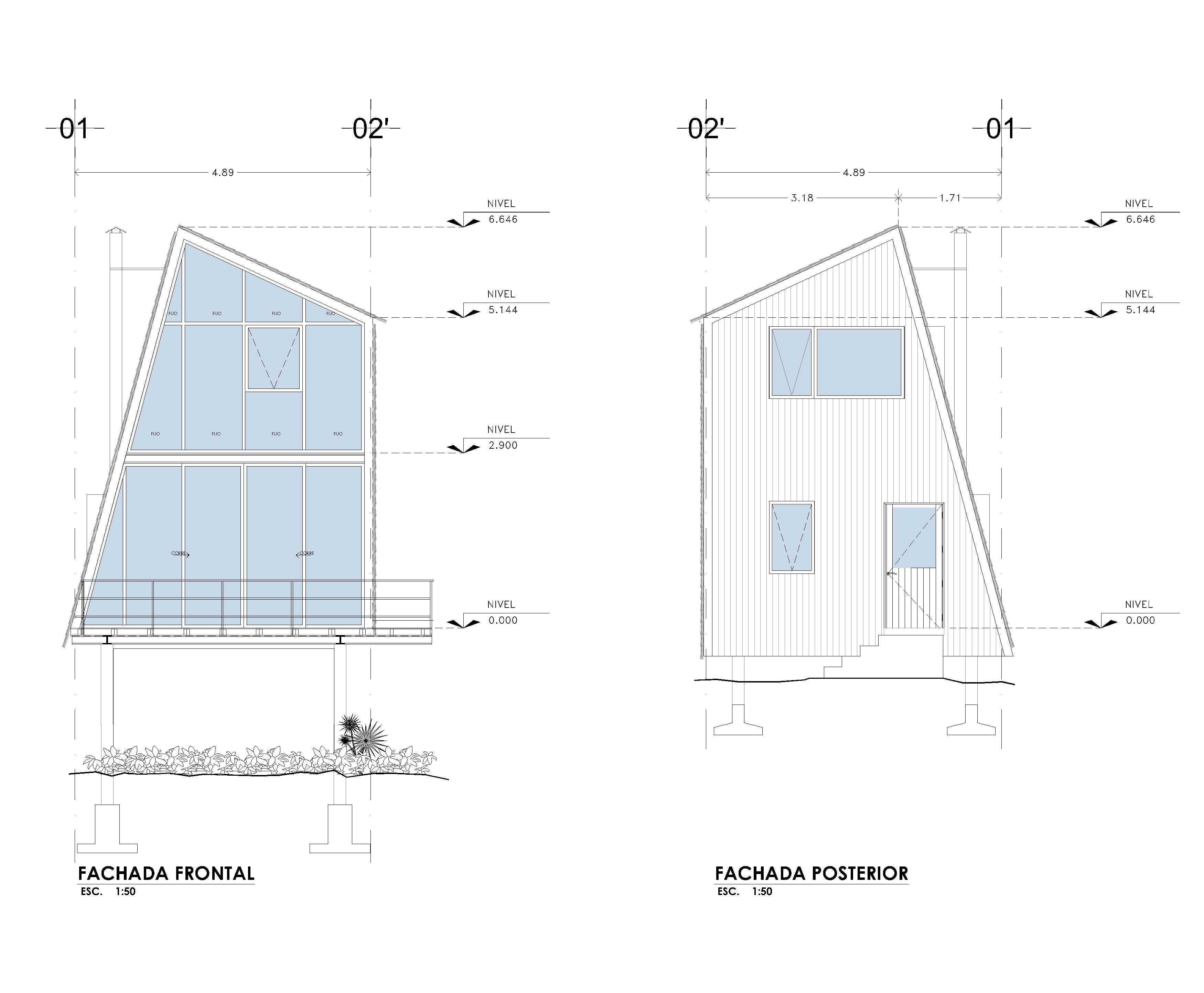
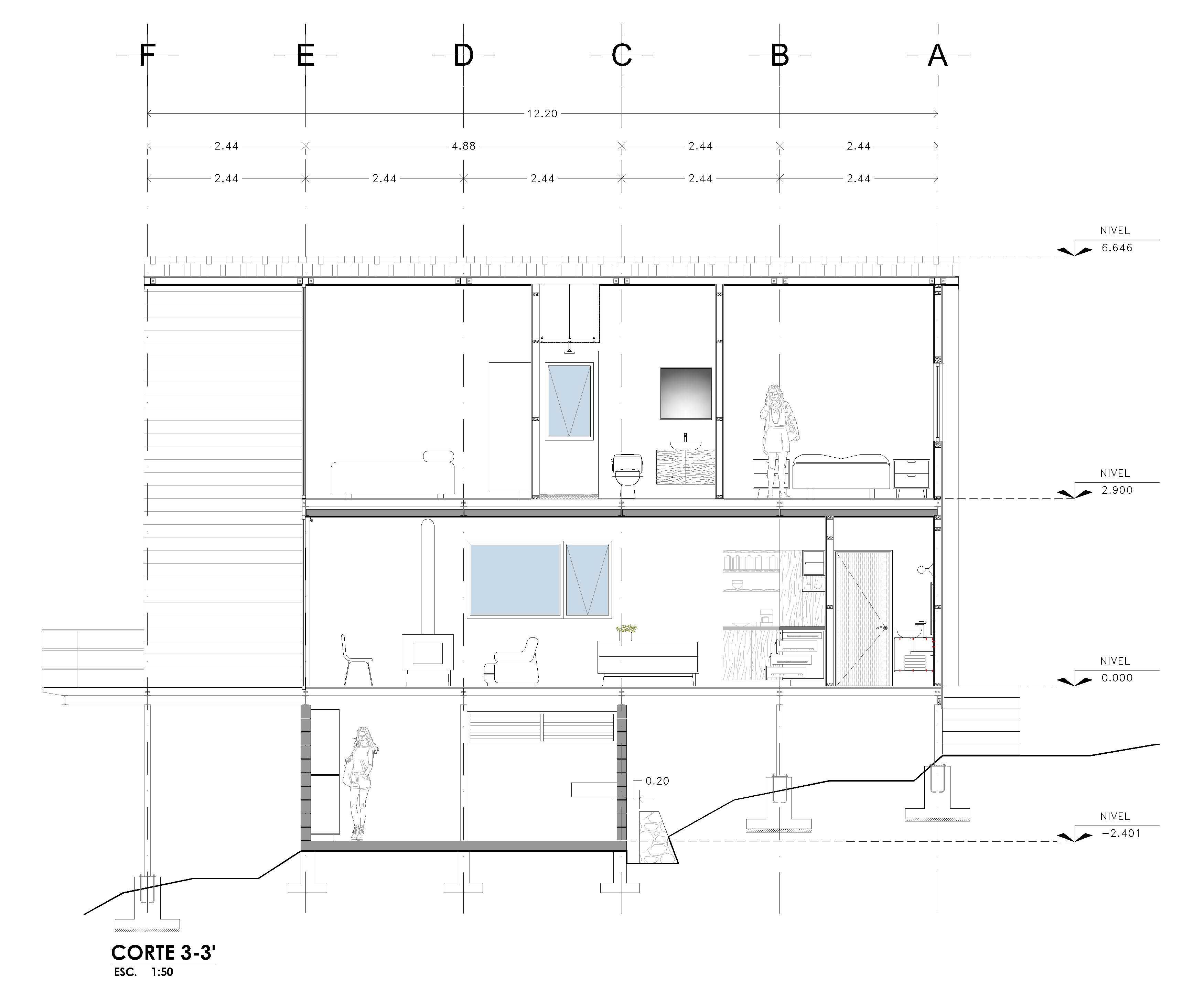
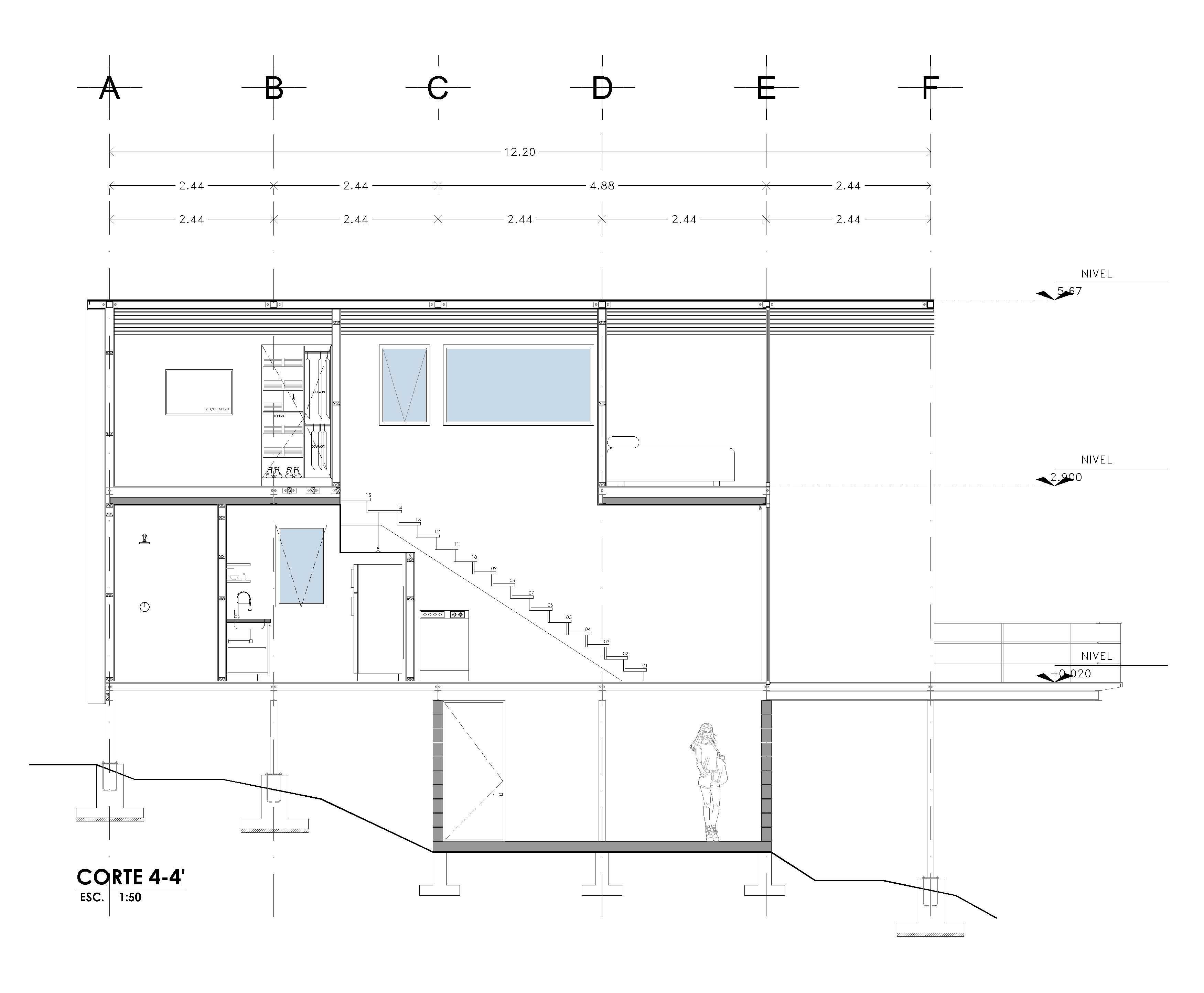
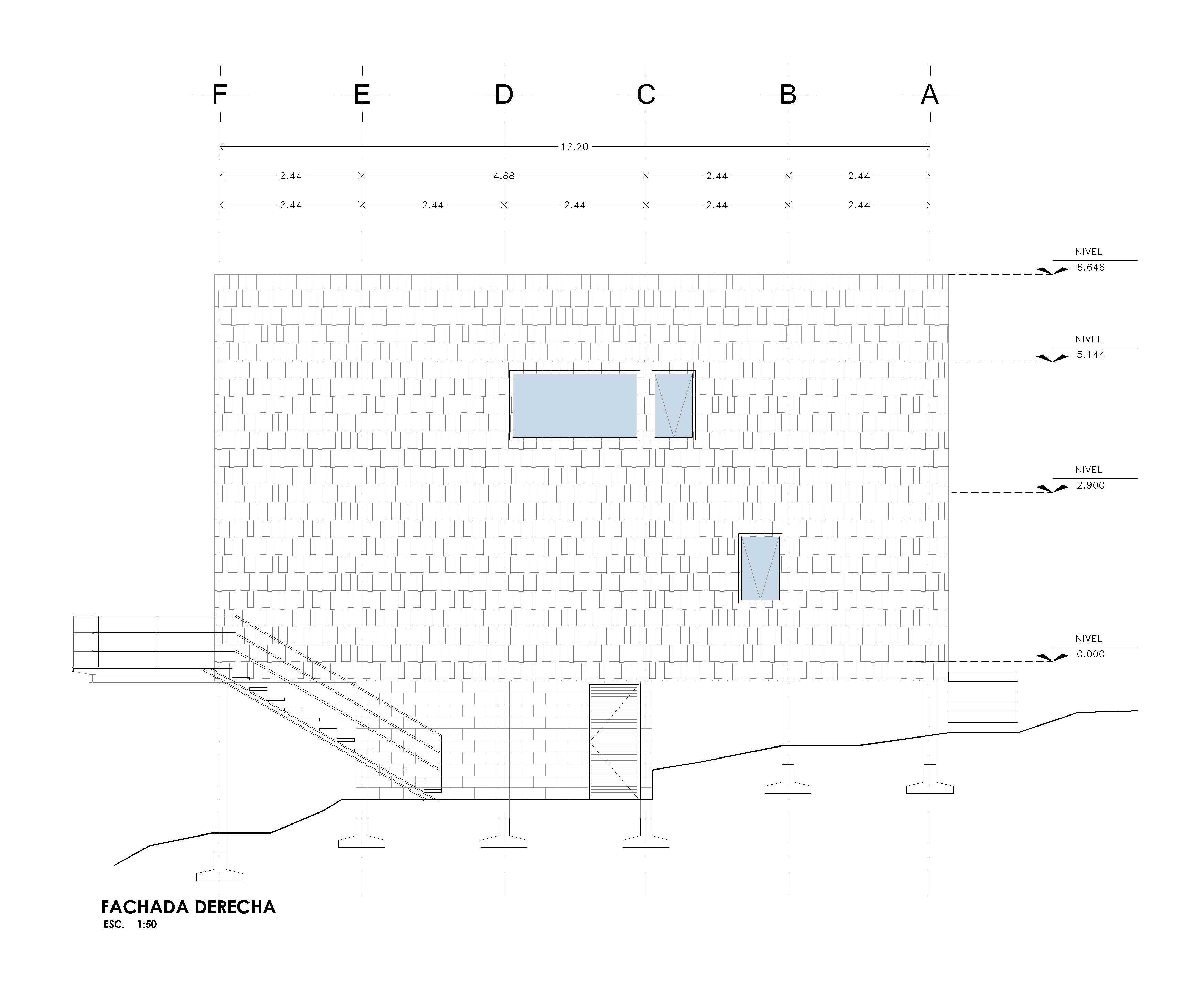
One of the key aspects of Las Lijas is its respectful integration with the environment. The structure is elevated on stilts supported by concrete footings, significantly reducing its footprint on the land. This design allows for the natural flow of water and the free movement of local wildlife, ensuring an intervention that adapts to the landscape without aggressively altering it.
Furthermore, the visual and physical relationship between the interior and exterior is emphasized through large openings and direct connections with the surroundings, creating a fluid and harmonious spatial experience.
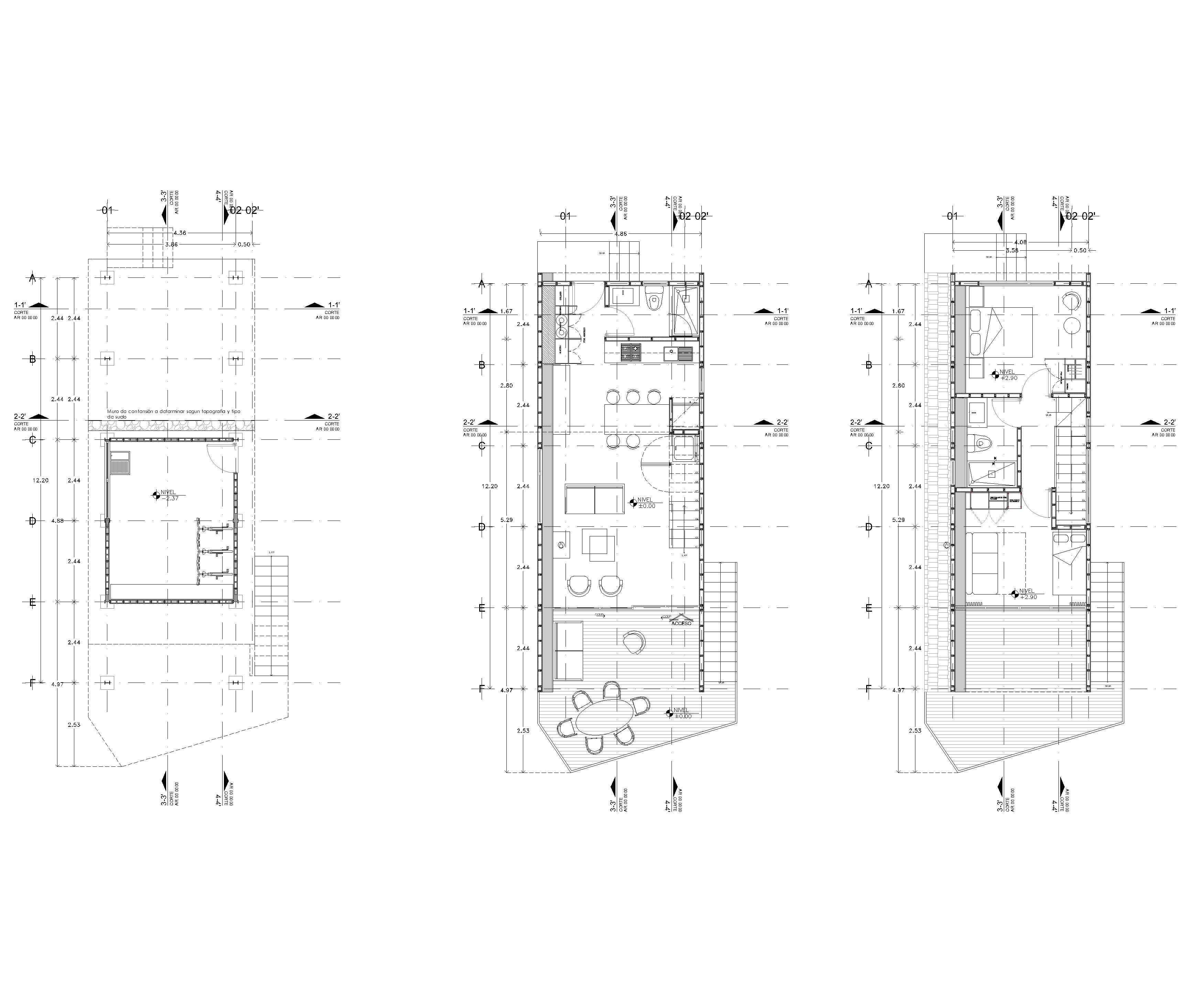
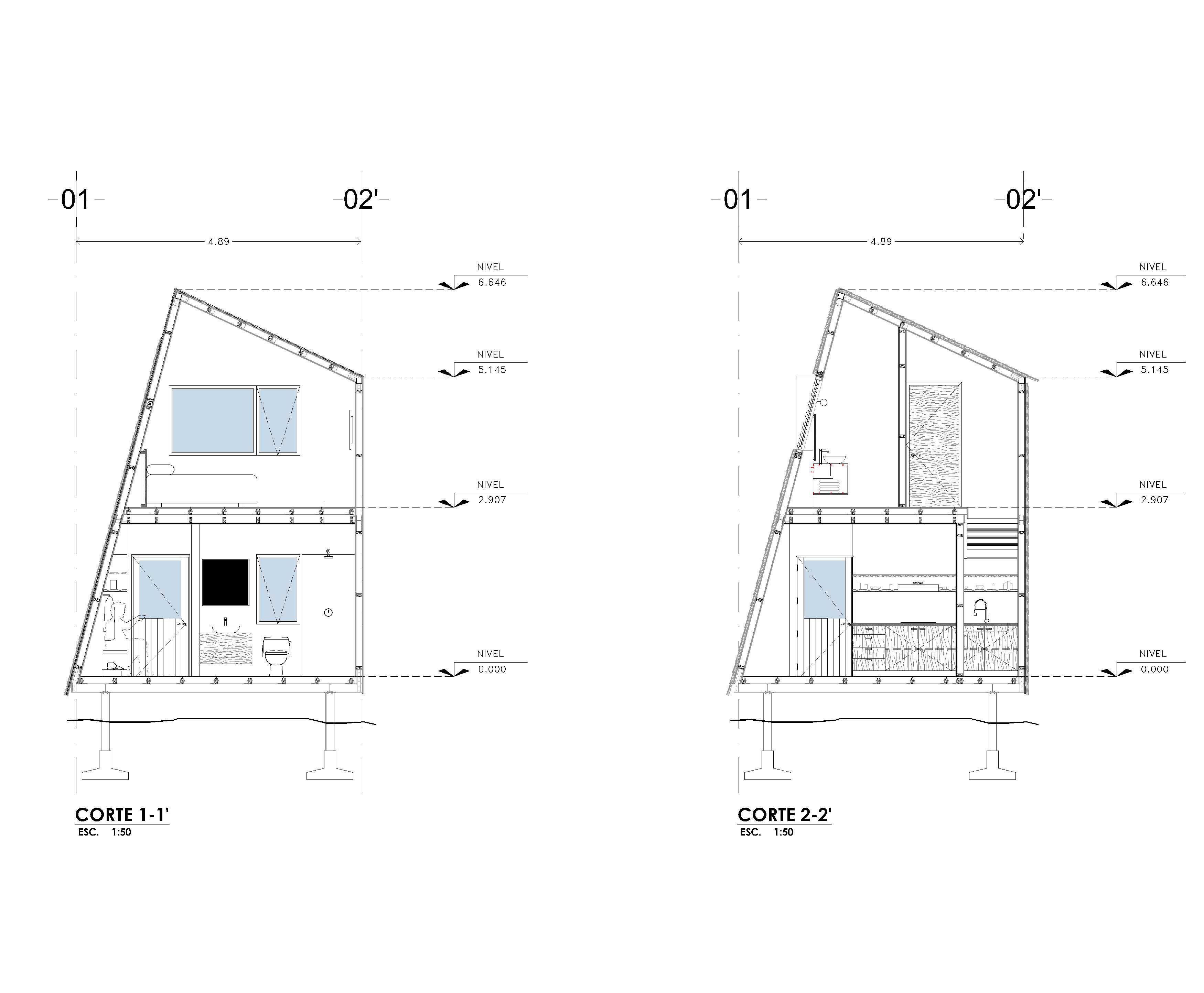
The central concept of the project is modularity. Inspired by North American construction systems, the design is organized into modules measuring 1.22 × 2.44 meters, making construction and disassembly easier. On the ground floor, social spaces such as the living room, kitchen, and terrace are arranged to foster interaction and spatial continuity. On the upper floor, two bedrooms offer privacy and are configured to adapt to the users' needs. This flexible layout allows for the expansion of the project, joining modules to diversify its functionality.
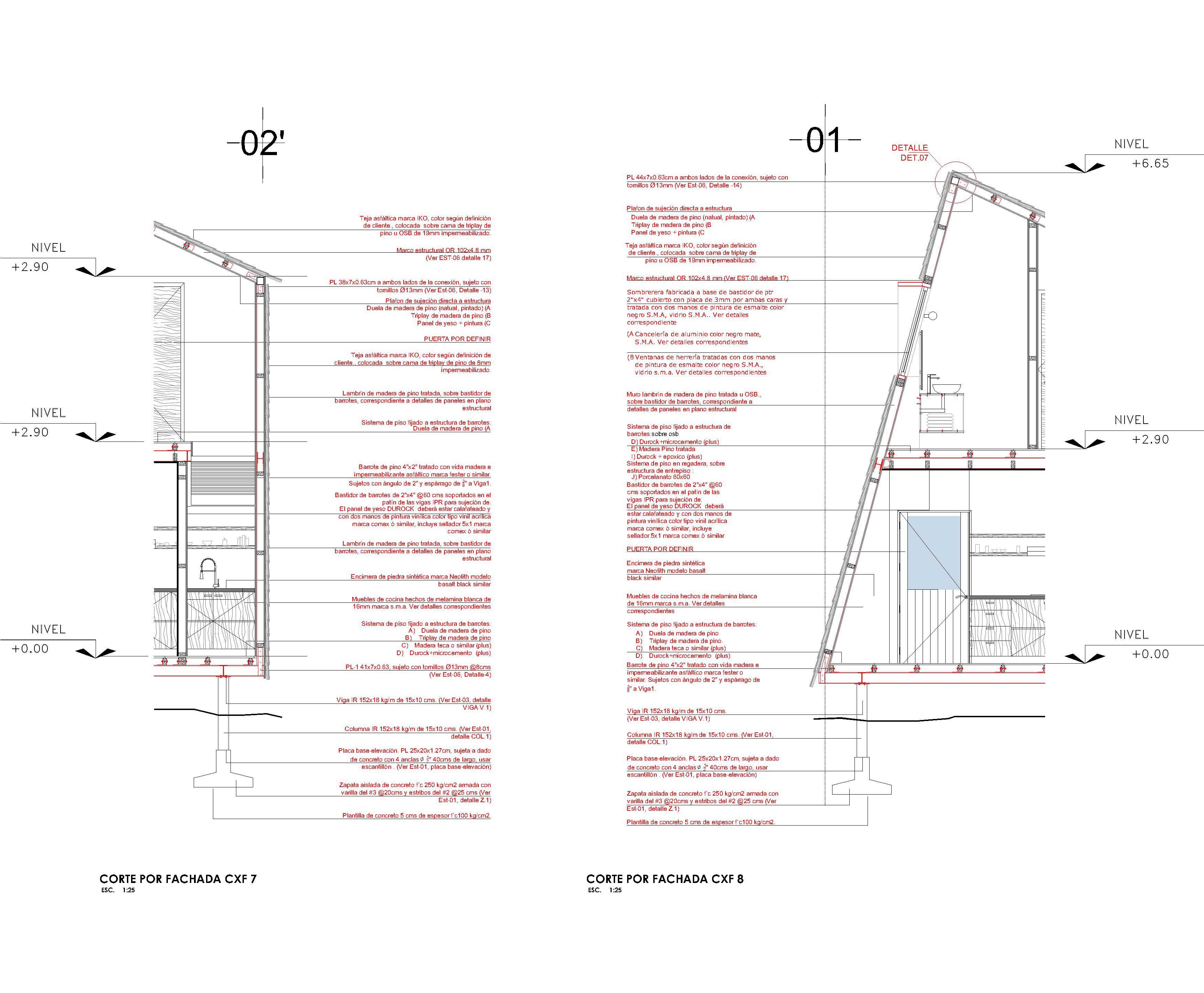
The materials used are simple and sustainable. The structure combines steel and natural pine wood, adding warmth and versatility. The exterior cladding made of asphalt shingles ensures protection against different weather conditions, while the integration of passive strategies such as cross ventilation and natural lighting contributes to optimal bioclimatic performance.
Las Lijas is not only an adaptable and functional architectural proposal but also a conscious design exercise that responds to sustainability and environmental preservation demands. By balancing efficiency, aesthetics, and respect for the environment, the project establishes itself as a model of intervention that prioritizes both its users and the landscape it inhabits.